
How Epee started
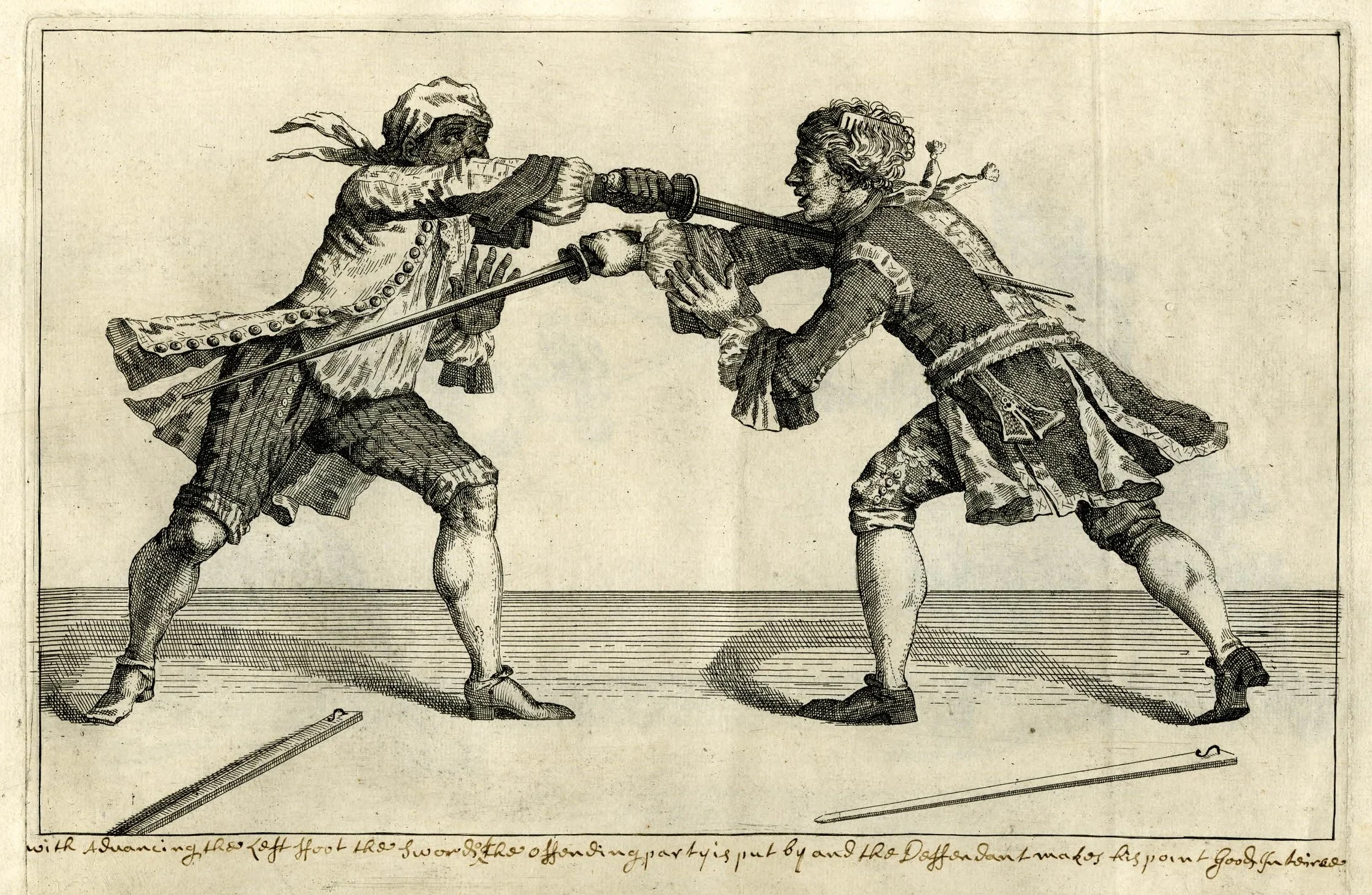
Epee fencing, also known as the "dueling sword," has a captivating history that dates back to the late 19th century. It emerged as a response to the evolving nature of swordplay and the need for a more realistic and practical form of combat. Developed in France, epee fencing quickly gained popularity among European fencers, eventually becoming an Olympic discipline in 1900. The key distinction of epee lies in its use of a thrusting technique, unlike other fencing styles that incorporate cutting motions. This emphasis on precise point control and strategy makes epee the purest and closest representation of traditional sword fighting. Today, epee remains a thrilling and fiercely competitive discipline, attracting fencers from around the world who are drawn to its rich history and technical intricacies.
Why Epee?
Fencing epee is an exhilarating and intellectually stimulating sport that attracts athletes from all walks of life. What sets epee apart is its unique intensity and strategy, unlike other fencing disciplines, allowing the entire body to be targeted, with every touch crucial, and every movement deliberate. This discipline demands precision, patience, and cunning tactics as fencers work to outsmart and outmaneuver their opponents. Epee offers a thrilling, physical challenge and hones mental acuity and strategic thinking. Whether it's the thrill of landing a perfectly executed touch or the satisfaction of strategizing and adapting in real-time, epee is a captivating sport that keeps athletes engaged and always hungry for more. Plus, who doesn’t like sword fights?
Rules
Epee Rules at Guanyi Fencing Academy
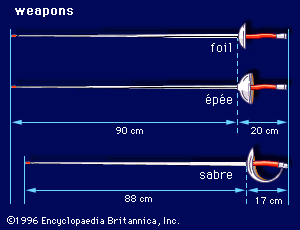
At Guanyi Fencing Academy, we prioritize safety, sportsmanship, and fair play. As such, we adhere to the rules and regulations set forth for epee fencing. The epee is one of the three weapons used in modern fencing, characterized by its larger guard and stiffer blade. Below, we outline the key rules that govern epee fencing at our academy.
1. Target Area: In epee fencing, the entire body is considered a valid target area. Unlike foil and sabre, where only specific areas are targetable, any touch made with the epee's tip on your opponent's body counts as a valid hit.
2. Right of Way: Unlike in sabre and foil, where right of way (priority) determines who can score a touch, epee fencing does not prioritize right of way. If both fencers make a valid hit simultaneously, both will be awarded a point.
3. Scoring: A valid touch in epee fencing is one that lands with the tip of the epee anywhere on your opponent's body. This includes the head, torso, arms, and legs. Hits made with the side or back of the blade do not count.
4. Resetting: After each valid touch or halt in action, the fencers return to their initial en garde positions. The referee will announce "fence" to signal the start of action again.
5. Safety Rules: Safety is of utmost importance in epee fencing. Fencers are required to wear a mask that covers the whole face, a jacket, pants, underarm protectors, a chest protector for female fencers, gloves, and appropriate footwear.
6. Penalties: Fouls and infringements are taken seriously in epee fencing. Common penalties include stepping off the strip, covering the target area with the non-weapon hand, crossing the back foot behind the front foot, and exhibiting unsportsmanlike conduct. Each infringement will result in a warning, yellow or red card, depending on the severity.
7. Refereeing: Matches are overseen by a referee who ensures the fair application of rules. The referee awards valid points, calls halt when necessary, and has the authority to issue penalties. Their decision is final and should be respected by both fencers.